Now Reading: AI Music, Suno and the Majors: the Industry’s Turning Point
-
01
AI Music, Suno and the Majors: the Industry’s Turning Point

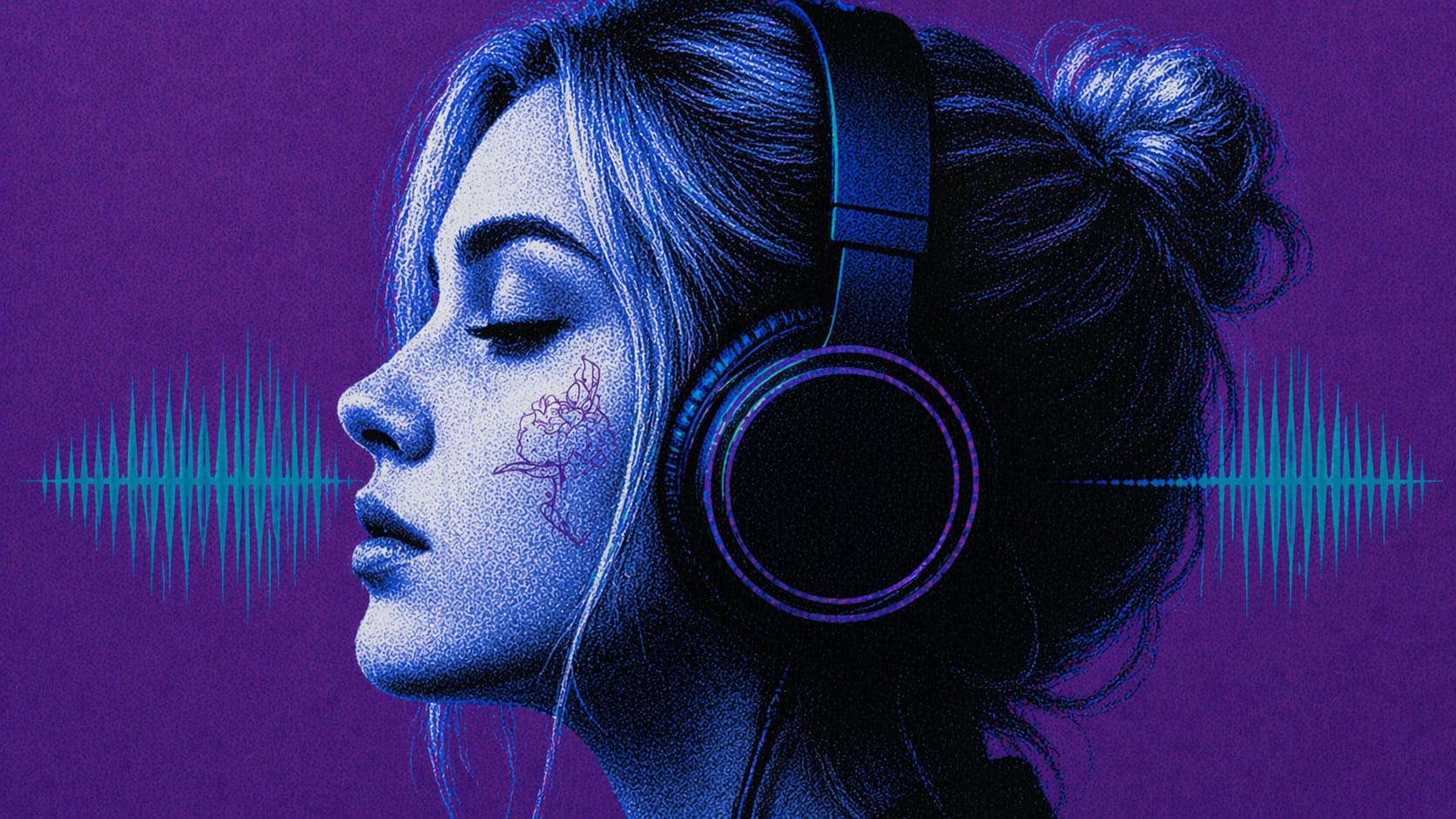
Suno, the major labels, lawsuits, deals, and hard numbers: why AI music has gone from an industry taboo to a battleground and a business opportunity in the record market.
Suno Breaks the Taboo: AI Music Moves From Lawsuits to Major-Label Deals
Mikey Shulman, Suno’s CEO and co-founder, says it bluntly: since the start of 2026, he has been meeting fewer and fewer producers and songwriters who do not use his platform at least a little in their workflow. That line captures the whole point. Until very recently, Suno was the kind of software people used in secret, almost something to deny. Its record was too toxic: a model trained without permission on a vast archive of songs, full tracks generated from prompts, and accusations of building a business on top of other people’s catalogs. But now the climate has shifted, and it has shifted because the industry has started negotiating with the very companies it was attacking.
That is the entire paradox. In 2024, the major labels took Suno and Udio to court over massive copyright infringement. In 2026, Suno can boast 2 million paying subscribers and $300 million in recurring revenue, after a $250 million funding round that valued the company at $2.45 billion. Meanwhile, Warner Music Group settled its lawsuit with Suno, while Universal reached a deal with Udio. Sony, by contrast, is still in litigation with both. The pattern has become crystal clear: first they denounce the looting, then they build a licensed enclosure.
The majors sue, then sign
That does not mean the war is over. In February, a coalition of artist representatives launched the open letter “Say No to Suno,” describing the platform as a kind of industrial smash-and-grab and talking about “AI slop” flooding catalogs and contaminating royalty flows. The core issue remains the same: who gets paid, how much they get paid, and what material the model is trained on. And the Warner-Suno deal is hardly a gesture of goodwill: it includes new models trained on licensed music, the phaseout of current models, and tighter limits on downloads, especially for the free tier.
At the same time, though, the creative taboo is starting to crack. Songwriter Autumn Rowe, whose credits include Jon Batiste, Dua Lipa, and Ava Max, says many writers are using Suno to produce stronger demos and pitch songs to artists. She herself, despite remaining skeptical, has gone back to old demos that were never recorded to see whether an AI-generated remix might give them a second life. This is not ideological conversion. It is professional opportunism, which in the music business is often the polished name for survival.
The numbers that cool the hype
This is where the hard data comes in, and it strips much of the romance out of the story. Deezer says it receives more than 60,000 AI tracks per day, about 39 percent of daily uploads, and claims that up to 85 percent of the streams on those tracks are fraudulent, which means they are demonetized and removed from the royalty pool. Apple Music, for its part, has tightened enforcement: it doubled penalties for fraudulent streaming and excluded 2 billion manipulated streams in 2025. Michael Nash, UMG’s chief digital officer, said that aggregate organic consumption of AI content by real listeners remains below 0.5 percent.
The blunt translation is this: AI music produces an avalanche of files, but real demand is not moving at the same speed. The system has already been saturated for years. Even before Suno, the market was dealing with roughly 100,000 songs uploaded to platforms every day. The barrier to entry had already collapsed; AI has simply slammed even harder on the accelerator. That is why Shulman’s argument has to be read all the way through. His point is not just that more people can create, but that creation itself must become consumption, remixing, continuous interaction, something like a musical TikTok where the song becomes material to manipulate rather than a finished object to simply listen to.
Music is becoming the test case for everything else
During Grammy week, Suno organized a songwriting camp in Hollywood led by producer Om’Mas Keith: text prompts, tracks generated in a matter of minutes, then real musicians stepping in to refine the output, fill the gaps, and reshape the result. It already looks like the next industrial model: AI to accelerate, humans to refine, majors to monetize and regulate. In film and television, this model is moving more slowly. The only truly heavyweight operational deal so far remains the one between Lionsgate and Runway. In music, by contrast, the majors have already opened multiple fronts with Suno, Udio, Spotify, Nvidia, Splice, and Stability AI, while on the “assistive” side there are also companies like Moises, which appointed Charlie Puth as chief music officer.
Anyone trying to find their way through this jungle can start with Suno’s subscriber and revenue numbers and with the official statements from Warner Music Group and Universal Music Group. Today’s third pill is this: the turning point did not come from any moral reconciliation between musicians and AI. It came when lawsuits started turning into contracts, “pirate” models began being replaced by licensed ones, and the old scandal started to look like a new market segment.