Now Reading: Hollywood, Between Artificial Intelligence and the Protection of Labor
-
01
Hollywood, Between Artificial Intelligence and the Protection of Labor

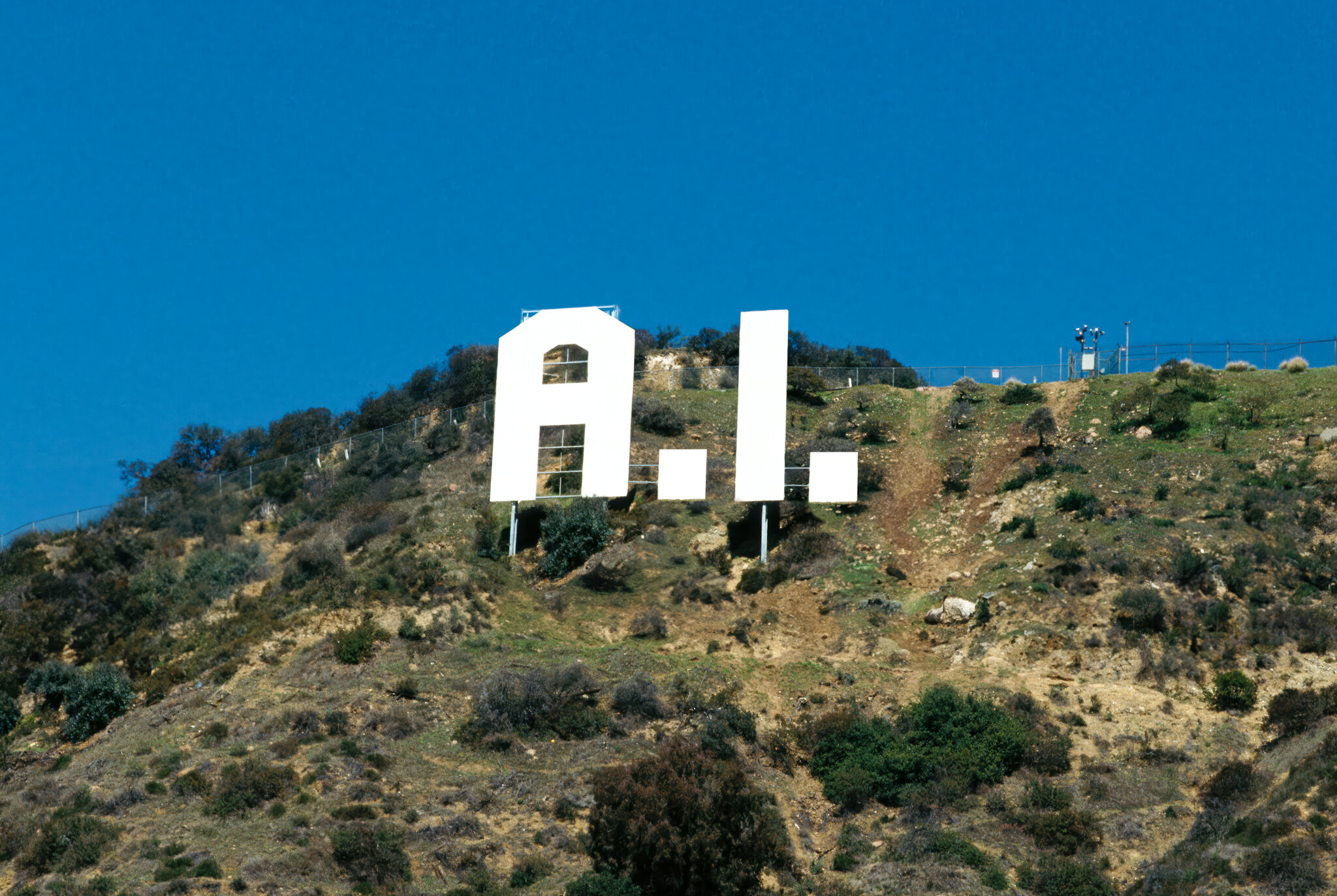
Hollywood is facing a period of intense turbulence in 2026, caught between job contraction, artificial intelligence, and the protection of digital identities.
Russ Hollander, executive director of the Directors Guild of America (DGA), recently highlighted how the decline in production is eroding job opportunities for directors, technicians, and creatives, making it urgent to rethink industrial policies and tax incentives in the audiovisual sector. As he put it: “The issue is understanding how we are compensated when studios license this material to AI companies.”
His remarks come above all in the wake of the announcement of the $1 billion licensing agreement between Disney and OpenAI for Sora, as well as the growing number of signatories joining the Stealing Isn’t Innovation movement.
Tax incentives and sustainable health plans for Hollywood
One of the DGA’s main proposals is the introduction of a federal tax incentive for production in the United States. This kind of policy could make the country more competitive compared with other markets offering similar advantages, attracting international productions and creating jobs for local professionals.
At the same time, the union is working to protect its members from rising healthcare plan costs—which cover most entertainment workers—and from the risks associated with integrating AI into creative processes.
While acknowledging the importance of new technologies, Hollander points out that the adoption of AI in the creative process raises complex issues related to copyright, creative consent, and the quality of productions.
SAG-AFTRA and digital performers: the Tilly Norwood case
The debate over the use of artificial intelligence in Hollywood also directly involves SAG-AFTRA, which is evaluating new forms of protection for its more than 170,000 members, including actors, journalists, dancers, musicians, and stunt performers, in response to the spread of digital performers.
The symbolic case is that of Tilly Norwood, an AI-generated character who has fueled union debate. One proposal now being discussed is the introduction of a kind of “studio levy” to be paid by studios using synthetic actors, in order to guarantee financial contributions and collective protections for human workers.
For the union, without clear rules on consent and compensation, AI risks accelerating job losses and devaluing traditional creative work.
Matthew McConaughey’s self-protective legal move
In this climate, where technology and individual rights increasingly intersect and regulations on deepfakes and digital identity are still evolving, Oscar-winning actor Matthew McConaughey has adopted an innovative legal strategy to protect his image and voice from unauthorized use by generative AI tools.
He filed eight trademarks with the U.S. Patent and Trademark Office covering his likeness, his voice, and even the famous phrase “Alright, alright, alright,” made iconic by the 1993 film Dazed and Confused, with the aim of creating a legal perimeter of control and consent around the use of his artistic identity.
Hollywood, from content factory to creative hub
McConaughey’s strategy reflects a broader trend within Hollywood, where the gradual and inevitable elimination of intermediaries is putting traditional production and distribution models under pressure, reshaping the relationship between those who create content and those who consume it.
In the near future, cinema and gaming will share an increasingly close bond, built on immersive storytelling and visual stimulation: audiences will not only choose what to watch and where, but will also be able to intervene in the narrative, personalize stories, and become active participants in them, sharing their own visions.
In this scenario, Hollywood will be able to maintain a central role and lead innovation only if it succeeds in enhancing what sets it apart: creative talent, industrial capability, strong intellectual property, and high quality standards.