Now Reading: QAnon and the digital identity of suspicion
-
01
QAnon and the digital identity of suspicion

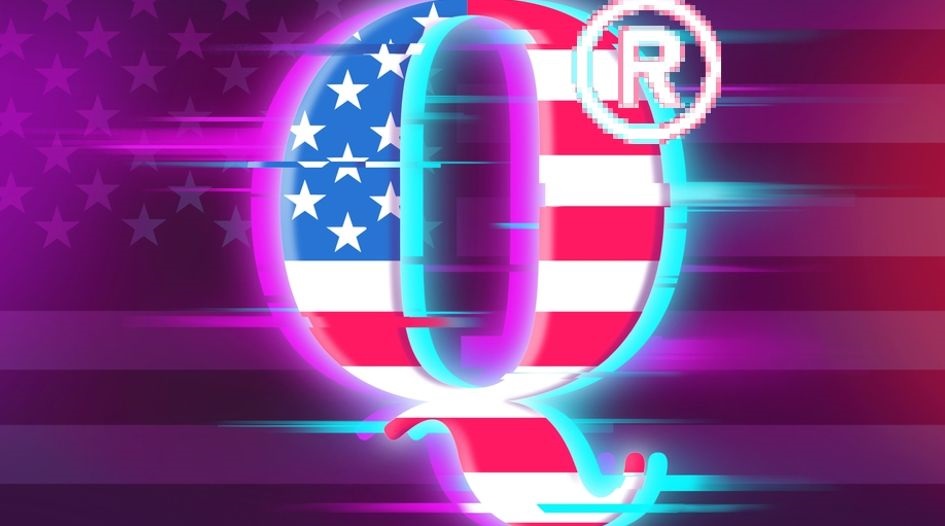
QAnon was not just a conspiracy theory: it became a digital identity, a community of suspicion, and a narrative machine of belonging.
QAnon was not just a collective online delusion. It was something more interesting and more dangerous: a form of digital identity built on suspicion. Not a simple theory, but a mental home made of codes, belonging, mission, and absolute enemies. Those who entered did not just find content. They found a role.
And this is where many commentators misunderstood it. They treated QAnon as a huge hoax to debunk, when in reality it functioned as an interpretive community. A universe where every post, symbol, or event could be read as proof that the official world was lying and that the “awakened” had access to a higher level of reality.
QAnon gave a storyline to people who felt lost
The most recent research insists on one point: conspiratorial beliefs cannot be explained only by ignorance or manipulation. They often have to do with needs for belonging, certainty, and recognition. QAnon offered all of that at once. It gave you a cosmic enemy, an internal language, the feeling of being part of a decisive struggle, and the narcissistic pleasure of “seeing” what others do not see.
In blunt terms: it was a spiritual video game for politically frustrated adults, socially isolated people, or simply those seduced by the idea of standing with the few who have truly understood how the world really works.
Not surprisingly, several studies describe conspiracy theories as networks of beliefs tied to threatened group identities. When the group feels under attack, the conspiratorial narrative becomes glue. QAnon did exactly that, but with the turbo boost of platforms.
The feed did not inform: it initiated
On platforms like YouTube, Facebook, Telegram, and various forums, exactly the kind of environment that explains why social media reward conspiratorial content, QAnon almost never presented itself as a closed doctrine. It presented itself as a trail to follow. A fragment here, an acronym there, an emotional video, an alleged coincidence, an invitation to “do your own research.” Which, translated, meant: go ahead, enter the labyrinth, because there is no exit planned.
Those who followed this path were not just consuming content. They were training a mental habitus: systematic distrust toward media, institutions, experts, fact-checking, and traditional sources. It is the same mechanism we also find in filter bubbles and doomscrolling: the platform turns exposure into atmosphere.
QAnon leaves wounds because it breaks shared reality
One of the most interesting things to emerge from recent research is its concrete impact on personal relationships. QAnon does not stay online. It enters families, friendships, and emotional bonds. When a person begins to read every event through the lens of absolute suspicion, they no longer argue: they recruit or withdraw. Shared reality fractures.
And here you understand why QAnon was not just an American case. It was an exportable cultural model: take an ecosystem of distrust, add a wounded identity, platforms that reward intensity, and an apocalyptic TV-series language. The final product is a community that does not seek evidence but confirmation.
To move beyond folklore and look at the phenomenon seriously, the Frontiers paper on online conspiratorial communities and the SAGE study on QAnon and interpersonal relationships are both worth reading.
QAnon worked because it transformed conspiracy from a marginal opinion into a total digital identity, where suspicion is no longer a tool for understanding the world but the very way of inhabiting it.