Now Reading: Heat, the documentary that turns heat into vertigo
-
01
Heat, the documentary that turns heat into vertigo

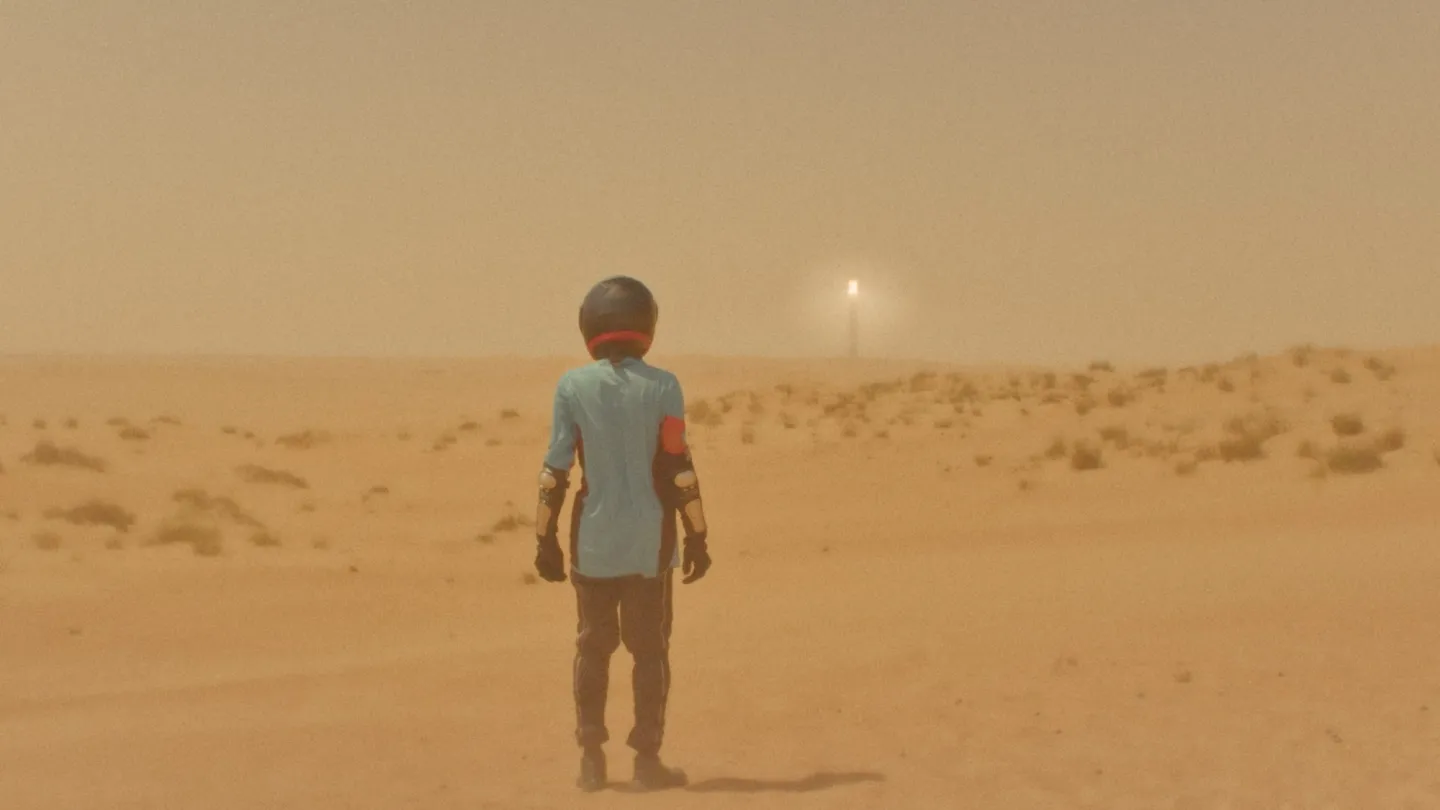
At Visions du Réel 2026, Heat by Jacqueline Zünd arrives: a sensory documentary set in the Persian Gulf, where extreme heat becomes climate, class, and a human alarm.
Jacqueline Zünd returns to themes of temperature, the body, and collapse, but this time without protective screens. Heat, premiering worldwide on April 20, 2026 at Visions du Réel and competing in the international section of the Swiss festival, takes viewers into the Persian Gulf, where temperatures rise above 50 degrees Celsius and heat stops being a backdrop: it becomes pressure, distortion, and social hierarchy.
After Don’t Let the Sun, presented in Locarno in 2025, the Swiss director builds another variation on the same exposed nerve: what happens to people when climate gets under the skin and starts rewriting human relationships.
Heat at Visions du Réel: the climate documentary that goes straight for the nerves
Zünd’s most interesting move is that she tries to make viewers feel the heat visually, turning it into a physical, almost hallucinatory experience. In her own statements, she openly speaks of an image like a “cinematic mirage,” of figures suspended in the desert, of distorted perception, loss of control, and vertigo.
It is a documentary that uses image and sound as instruments of pressure, attempting to translate the climate emergency into a sensory condition before it even becomes an argument.
Produced by Louis Mataré for Lomotion AG with Real Film GmbH, shot by Nikolai von Graevenitz and edited by Gion-Reto Killias, the film follows real people inside this climatic furnace. There is Sophy, a young Kenyan woman employed in an ice bar built to offer artificial cold to Dubai’s wealthy. And there is Essa, a meteorologist in Kuwait trying to sound the alarm about the extreme working conditions faced by those who cannot afford to buy air conditioning.
Jacqueline Zünd portrays the Persian Gulf as a machine of inequality
Climate as a class accelerator. Zünd says it plainly. Once the temperature passes a certain threshold, those with money retreat into air-conditioned spaces, run indoors, eat in malls, and have everything delivered to them. Those who work outside, by contrast, remain exposed.
And in the Gulf, the director explains, the highest price is paid above all by migrants, the ones who remain outdoors while the thermometer rises and the system pretends not to notice. It is a brutal fracture, and the documentary seems intent on carving it into the viewer rather than simply narrating it.
Heat is one of the strongest titles in this edition of Visions du Réel: it takes a climate crisis now worn down by language and brings it back onto the body, showing heat as one of the contemporary forces that decides who gets to protect themselves and who must burn.